Understanding autism
Autism is a difference, not a deficit. It shapes how people connect with and experience the world. Learn the common signs, why it’s missed, and when an assessment might help.

What is autism?
Autism is a neurodevelopmental condition present from birth. It affects how someone processes their everyday life, from social situations to sound, sight and touch.
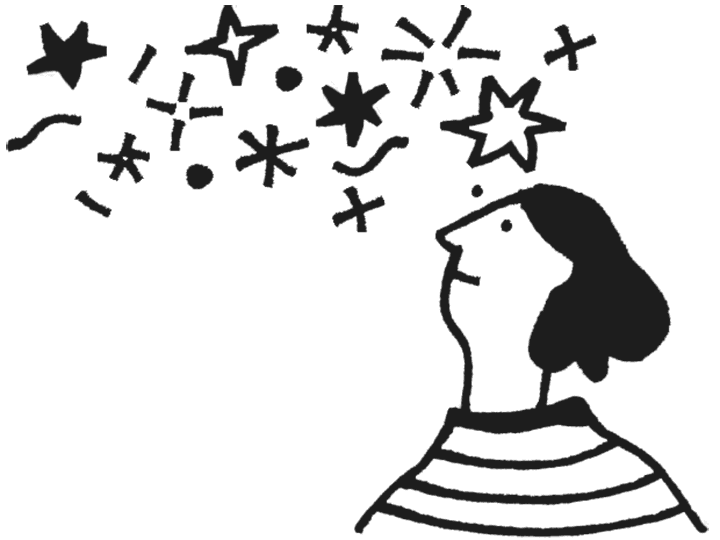
It varies by person
Every autistic person has their own set of strengths and challenges.
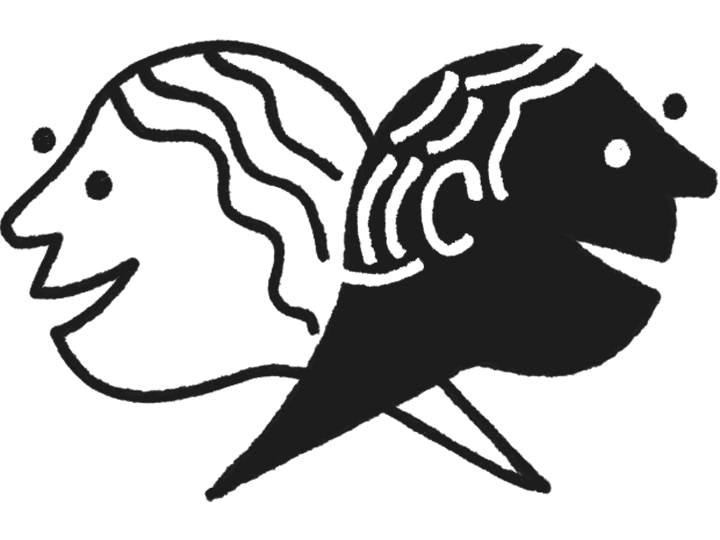
It alters communication
Understanding and being understood can take more conscious effort.
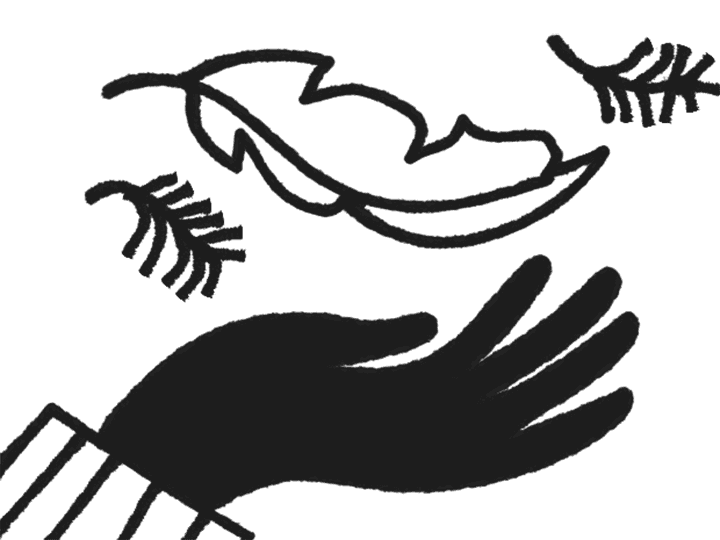
It affects the senses
Autistic people can be much more – or less – sensitive to sensory experiences.
It can be assessed
A clinical assessment can determine whether someone is autistic.
Signs of autism
There are three core characteristics of autism. Clinicians use these to assess whether someone meets the threshold for a diagnosis.
Communication
Autistic people can experience and express communication differently to non-autistic people, in ways that can go beyond speech:
- Misinterpreting or struggling to pick up routine social cues
- Difficulty understanding words, tone of voice and body language
- Limited, intermittent or no speech for some people
- The need to interact via writing, sign language or Augmentative and Alternative Communication (AAC)

Behaviour and interests
Many autistic people find comfort, focus, or joy in repetition, routine and special interests. That can look like:
- Repetitive movements (known as stimming), like hand flapping or hair twirling
- Intense focus on specific interests – a hobby, a subject or a toy
- A need for predictability, and distress when routine is broken

Sensory processing
The senses don’t always work the same way for autistic people – sometimes their senses pick up more, sometimes less, than neurotypical people. That might feel like:
- Senses, balance and hunger that feels more intense – or less
- Sensitivity that varies by sense, situation or environment
- Avoiding or seeking out sensory input, or signs of distress
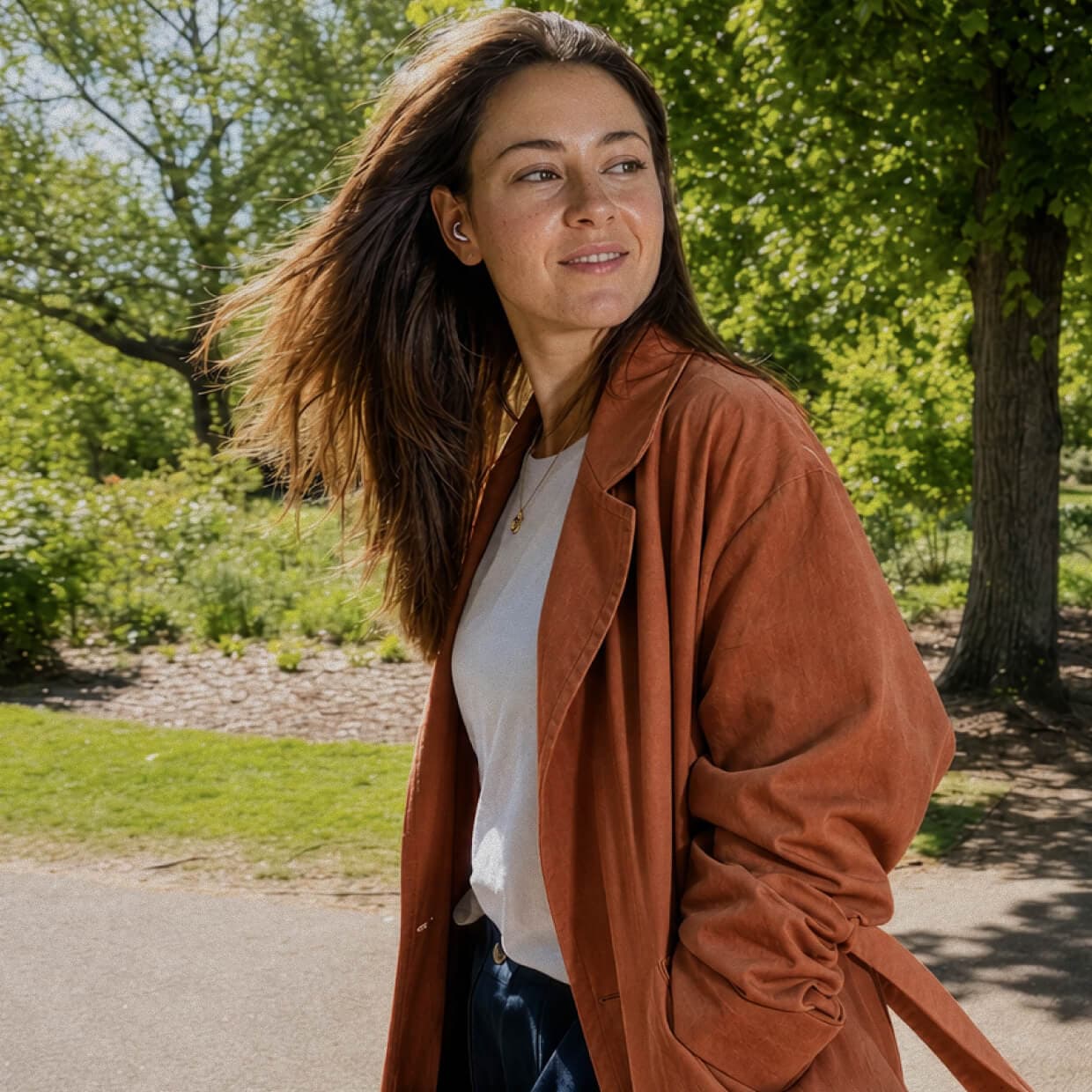
Autistic strengths
Living with autism can bring real challenges – but it can come with real strengths, too.
Acute attention to detail
Deep factual knowledge
Intense focus
Dedicated passions
There's no 'typical' case of autism
Every autistic person has their own mix of traits, strengths and challenges. How these show up can change with someone's age, gender and life stage.
Autism in children
If a child's differences aren't recognised early, they can spend years feeling like they're getting things wrong without understanding why.
Autism in children can look like:
- Finding it hard to make or keep friendships
- Strong reactions to noise, textures, or changes in routine
- Strong emotions or shutdowns – often after school

Autism in adults
Many autistic people reach adulthood before getting answers because their traits were missed, misunderstood, or misdiagnosed.
Autism in adults can look like:
- Feeling drained after social situations
- A need for routine and distress when this is disturbed
- Sensory sensitivities and intense focus on interests

Autism in students
University brings more freedom, but far less structure – a tricky adjustment for autistic students.
Autism in students can look like:
- Sensory overload in lecture halls, libraries, or shared living spaces
- Difficulty managing unstructured time or competing deadlines
- Feeling isolated even when surrounded by people

Autism in women
Many girls, women and people from marginalised genders copy social behaviours and hide how much effort it takes. This is called masking.
Autism in women can look like:
- Feeling socially exhausted, even around people you like
- Intense, absorbing interests that bring real comfort
- A persistent sense of performing

Autism in later life
For older adults, an autism diagnosis can make sense of a lifetime of experiences. It's never too late to understand yourself better.
Autism in later life can look like:
- Burnout from decades of masking and adapting to others
- Struggling when familiar routines shift
- Physical or emotional exhaustion that's hard to explain
Why does autism get missed?
An estimated 700,000 people in the UK are autistic, many without a diagnosis. For something so common, it still often goes undiagnosed.
Low awareness
Many people don't know they're autistic. Traits get put down to personality.
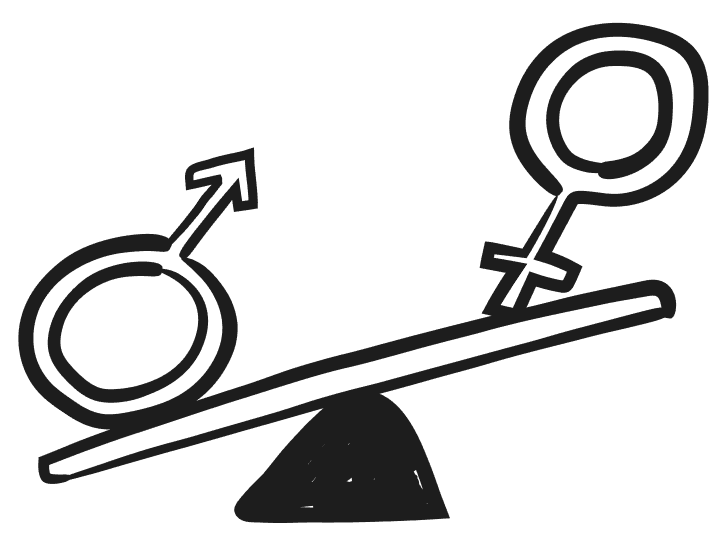
Diagnostic criteria
These are built on boys – so girls, women and marginalised genders are overlooked.
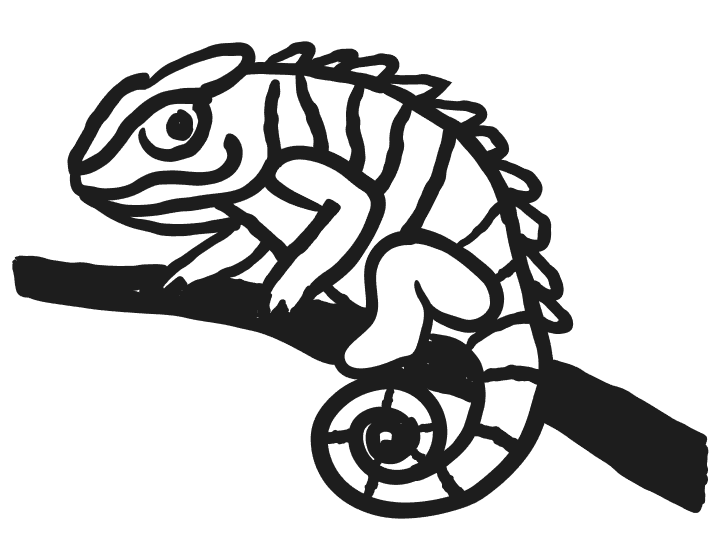
Masking
Copying social behaviours and scripting conversations can hide inner struggles.
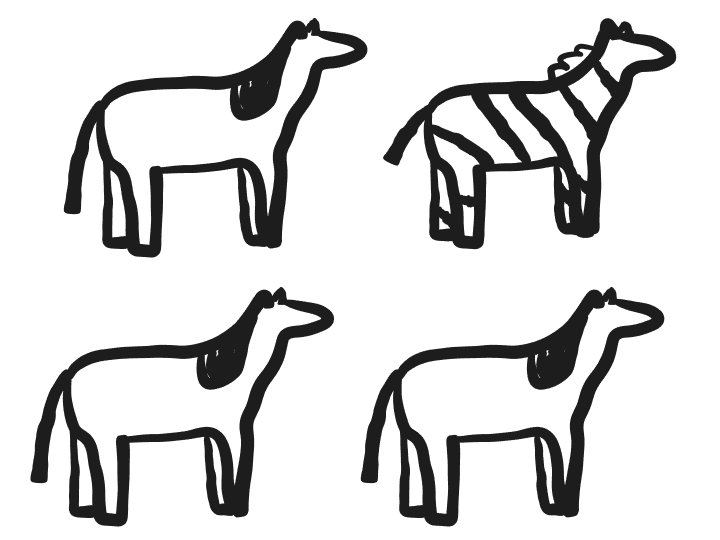
Shared traits
Autism is sometimes confused with anxiety, depression, OCD and eating disorders.
Shifting traits
Autism looks different at every age. Coping strategies can make signs hard to spot.
Real stories
To understand what it’s like to be autistic, there’s only one group of people to ask: the people that live it.

'I struggle with being in unfamiliar situations and with unfamiliar people. However my assessor was very patient with me, very kind and very thorough. From the moment she started speaking I felt calm by her voice. She was also very skilled and could separate my autism symptoms from symptoms that would indicate ADHD.'

'As an already diagnosed autistic who usually can't speak to strangers, my assessor made me feel very at ease and I found it very easy to talk to him which has surprised us all. He explained everything amazingly and when I didn't understand a question he was able to reword it so that I could.'
Testimonial 1 of 2
A note on the words we use
We say 'autistic person' rather than 'person with autism'. This is called identity-first language, which is what many people in the autistic community prefer. Where you see us use words like 'masking', 'stimming' or 'meltdown', these are terms many autistic people use themselves to describe their own experiences.
Your questions, answered
What's the difference between autism and Asperger's?
There isn't one anymore. In 2013, Asperger's was absorbed into one autism diagnosis so what used to be called Asperger's is now simply called autism.
Can autism cause anxiety or depression?
Not directly, but many autistic people experience them from navigating a world that isn't built for them. Sensory overload, masking and social exhaustion all add up over time.
Why are more autistic people being diagnosed nowadays?
It's not that autism is more common – awareness has caught up, especially for women, girls and people from marginalised genders. Better understanding means more people are finally getting answers.
Is autism a mental illness?
No – it's a neurodevelopmental condition, not a mental illness. It's a different way of experiencing the world, present from birth, not something that develops or needs curing.
What causes autism?
Autism is largely genetic – which is why it often runs in families. It isn't caused by parenting, vaccines, or anything a person does or doesn't do. Learn more.
What's the difference between autism and AuDHD?
AuDHD means someone has both autism and ADHD, not just one. The two conditions interact and show up differently together than they would alone.
I find social situations hard. Am I autistic?
Lots of people find some social situations tiring and like to have routines. Autism is different – it has a bigger, more consistent impact on daily life than just a personality trait.
Wherever you’re starting from, we’re here
You don't need to have all the answers before you reach out. Whatever your circumstances, we'll help you figure out what to do next.
Diagnosis
A full autism assessment looks at your whole story – not a checklist. We'll help you understand your experiences.
Treatment and support
There's no medication for autism – so we'll guide you toward the right strategies to manage daily life.
Ongoing support
We can support you for as long as you need us – from therapeutic support to understanding your diagnosis.
Resources (coming soon)
There's always more to learn about autism, so we're building a growing library of articles and expert guides.
Ready to find out?
Whether you're looking for answers for yourself or your child, a specialist assessment can help you understand what comes next.