

Understanding ADHD
ADHD isn't just a focus problem. It shapes how people think, feel and do things. Learn the signs, why it gets missed, and when an assessment helps.

What is ADHD?
Attention Deficit Hyperactivity Disorder (ADHD) is a neurodevelopmental condition that affects how the brain regulates attention, motivation and reward. ADHD brains manage dopamine – a key chemical in this process – differently to neurotypical brains.
Three useful things know about ADHD
It starts early
Symptoms begin in childhood, whether they're recognised then or in later life.

It varies by person
Some struggle to focus. Others always feel on the go. Many experience both.
It can be assessed
To be diagnosed with ADHD, you'll need a full clinical assessment.
What are the symptoms of ADHD?
ADHD symptoms fall into two main groups: inattention and hyperactivity-impulsivity. These form the basis of an ADHD diagnosis. Some people experience one group of symptoms – others, both.
When focus starts to slip
For lots of people with ADHD, it can be hard to concentrate and keep track of everyday details. Inattention can look like:
- Difficulty organising and following instructions
- Putting off tasks that take mental effort
- Making avoidable mistakes
- Finding it hard to start or see tasks through

When quiet feels far off
For some, this is about feeling restless, needing to move about often, or acting before you've thought something through. Hyperactivity-impulsivity might show up as:
- Fidgeting or struggling to stay seated
- Feeling the need to always be 'on the go'
- Finding it hard to do things quietly or calmly
- Talking more than others expect

Complete our free ADHD screener
Takes less than 5 minutes. Fully confidential.
Developed by the World Health Organision, this official screening test is based on the Adult ADHD Self-Report Scale (ASRS). It isn't a diagnosis – a clinical assessment is needed for that.

ADHD isn't one-size-fits-all
It shows up differently from person to person, depending on things like your age, gender and stage of life.
ADHD in children
Neurodivergent children aren't 'difficult'. Their brains work differently.
That difference can come with real strengths: creativity, energy and a fresh way of thinking. But it can also mean difficulty communicating, feeling overwhelmed, having run-ins at school, and days that are a real struggle for both of you. If you’ve noticed your child moves through the world differently, the right support can make all the difference.
ADHD in children and young people could look like:
- Getting easily distracted and having trouble focusing
- Fidgeting, or running or climbing when it's not appropriate
- Feeling big emotions that arrive very quickly

ADHD in adults
If your ADHD was missed at school, you might have spent years creating your own coping strategies – without even realising.
For some, that's a real strength. For others, it can be exhausting and lonely. If you've spent a lifetime feeling like your brain works differently to others, you’re in the right place.
ADHD in adults could look like:
- Forgetting key dates and appointments
- Struggling to finish tasks once interest fades
- Finding it hard to switch off or sleep

ADHD in students
Finally free from school and off to university – so why does studying feel harder than ever?
University or college come with more freedom and responsibility, but far less structure. If everyone else seems to be managing fine and you're struggling to keep up, it’s worth finding out why. Imagine what you’re capable of when you get the right support.
ADHD in students could look like:
- Leaving assignments until the last minute or struggling to start
- Difficulty attending or staying focused in lectures and seminars
- Feeling like you’re always playing catch-up, however hard you try

ADHD in women
Ever been told you're too sensitive, too much, too disorganised or just not trying enough?
Many women, girls and people from marginalised genders spend years feeling like they’re the problem. So they find ways to manage, mask and keep going. That takes real strength - but it also takes a real toll.
ADHD in women could look like:
- Feeling overwhelmed by everyday tasks that seem easy for others
- Taking rejection or criticism to heart, or feeling very sensitive
- Doubting yourself, feeling anxious or like you're not good enough

ADHD in later life
It’s never too late to get a diagnosis.
ADHD doesn't go away with age. But as routines and responsibilities change, the coping strategies you’ve relied on can stop working. For women particularly, the menopause brings hormonal changes that can make their ADHD symptoms even worse. It's not a decline. It's just a sign that your strategies need to catch up with your life.
ADHD as you get older could look like:
- Problems managing time, finances or daily responsibilities
- Feeling low, a growing sense of anxiety and like you're falling behind
- Finding it hard to adjust if routines change or life gets complicated

Why does ADHD get missed?
An estimated 2.5 million people in the UK have ADHD, many without a diagnosis. For something so common, it still often goes unrecognised.
Low awareness
ADHD can look very different from popular stereotypes.
Gender bias
Girls, women and marginalised genders are underdiagnosed.
Masking
Some hide their symptoms so well that ADHD goes unnoticed for years.

Misdiagnosis
ADHD shares symptoms with anxiety, depression and other conditions.
Shifting traits
From childhood to later life, ADHD shows up in lots of different ways.
Long waits
People can wait years to be assessed – far longer they should have to.
Real stories
To understand what it’s like to have ADHD, there’s only one bunch of people to ask: the people that live with it every day.
 ADHDAdult
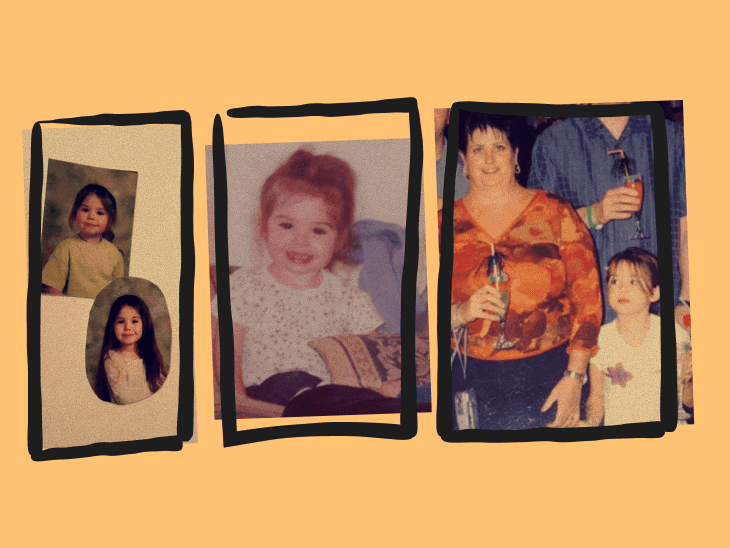
Charlotte: "Girls like me were taught to be quiet"
Society had taught girls like me to be quiet, not to be understood.
5 min read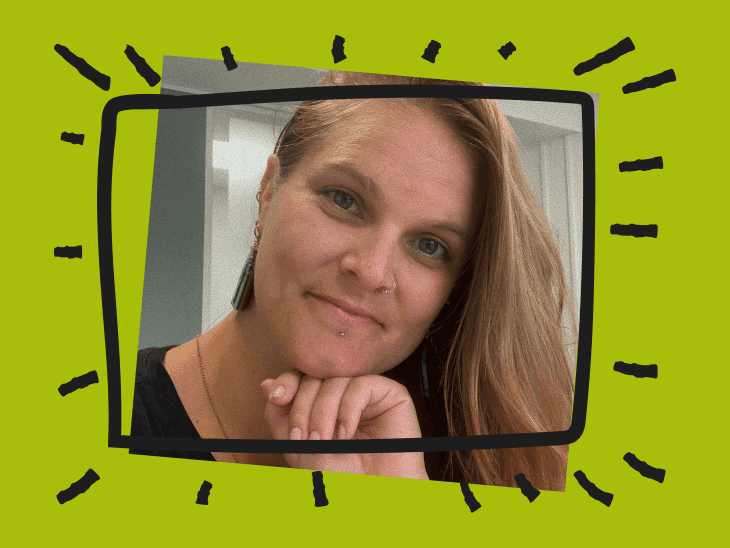 ADHDAdult
Molly: "I thought ADHD meant bouncing off the walls
I didn't recognise ADHD in myself before I realised it presents so differently in women.
5 min read ADHDAdult
John: Being diagnosed with ADHD at 59
Getting a diagnosis was a relief. There was suddenly a reason for things.
5 min read
Your questions, answered
Can you develop ADHD as an adult?
ADHD doesn't develop in adulthood, but it's very commonly diagnosed then. Many adults reach their 30s, 40s, or beyond before getting answers – often because their symptoms were missed, misattributed, or masked earlier in life.
Is ADHD a disability?
In the UK, ADHD can be considered a disability under the Equality Act 2010 if it has a substantial, long-term effect on daily life. This means you may be able to access reasonable adjustments as an employee or student.
What's the difference between ADD and ADHD?
ADD is an older term that's no longer used in a clinical setting. ADHD covers all presentations – including those without significant hyperactivity. There are three recognised types: inattentive, hyperactive-impulsive, and combined.
Can ADHD cause anxiety or depression?
ADHD and anxiety or depression often appear together. This can be because living with undiagnosed or unsupported ADHD takes a toll over time, but it can also be that the conditions are neurologically linked. A full assessment will take the full picture into account.
Is ADHD a new thing?
To some people, ADHD feels like a recent thing or even a TikTok trend that’s overdiagnosed in younger generations. But doctors have been describing the condition for well over two centuries. A German physician noted its basic traits back in 1775, and a British paediatrician gave the first clinical description in 1902 – decades before the term ‘ADHD’ came about. UK health bodies didn’t officially recognise ADHD until the 2000s. But it was there all along. It’s not ADHD that’s new – it’s our understanding of it.
Why has everyone got ADHD these days?
Despite increased diagnostic rates, the number of people formally diagnosed with ADHD in the UK remains far below expected population levels given known prevalence rates. The surge in diagnoses we’re seeing now isn’t a fad.
It’s down to a few things: improved diagnostic criteria, more people getting diagnosed later in life, and increasing awareness – both doctors and the public simply know more about ADHD now.
Is it possible to have both ADHD and autism?
Yes, it’s completely possible. This is often called “AuDHD”, though it’s worth being aware that this isn’t a recognised clinical term. Find out more about AuDHD.
Let’s make sense of it
If you think you might have ADHD, we can help. Getting an assessment can give you the answers you deserve.
Diagnosis
Getting clarity is the first step. Our clinical assessments are available privately or via NHS Right to Choose.

Treatment
ADHD treatment options can make a big difference to daily life. We'll discuss options with you, including medication.

Support
Diagnosis is just the start. From Shared Care and annual reviews to wider support, we'll help manage your ADHD.
Resources (coming soon)
There's always more to learn about ADHD. We're building a growing library of articles, expert guides and top tips.
Ready to find out?
Whether you're looking for answers for yourself or your child, a specialist assessment can help you understand what comes next.