Charlotte's story: "Am I just jumping on a TikTok trend?"
Written by Charlotte, Oct 27, 2026
Charlotte works as a makeup artist. She was on an NHS waiting list for 3 years, before discovering Right to Choose – the legal right to choose an NHS-funded ADHD care provider. She was diagnosed with ADHD a month later, aged 25.
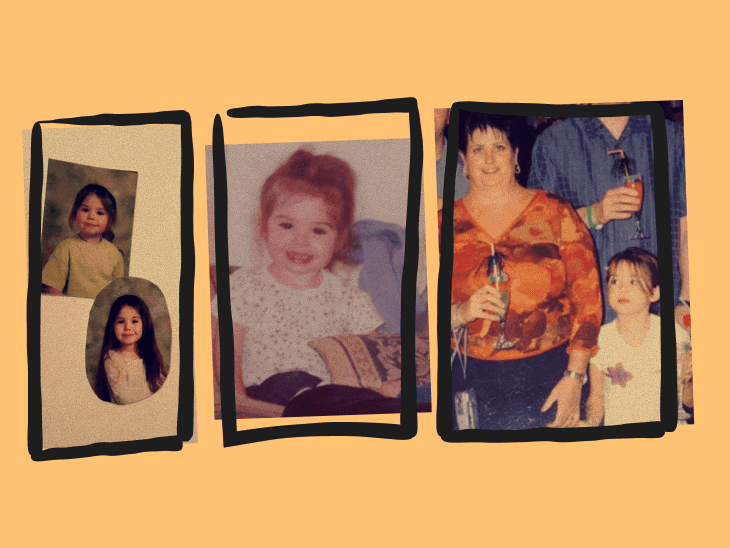
I always knew there was something that made me different. I just didn't know what it was. I lost my Mam when I was 15, so for a long time I wondered if it was some kind of trauma response. But it felt like it went back further than that.
Then I started seeing things on TikTok about ADHD – people describing their brains in a way that sounded exactly like mine. Straight away, I doubted myself. Am I jumping on a bandwagon? I think that's part of having ADHD – doubting yourself about everything, all the time.
"Have you just seen this on TikTok?”
When I first went to my GP in 2022 and said I thought I might have ADHD, they asked if I'd seen it on TikTok. I said no, because I was terrified that admitting it would make it sound less real.
I was so nervous to bring it up to the people in my life, too. When I mentioned it to someone in my life at the time, they told me that I didn’t have ADHD – I just needed more routine and discipline. I can mask pretty well, so I understand why he thought that. But those words stayed with me for a long time.
My mental health hit rock bottom
I joined the standard ADHD NHS waiting list in July 2022 – I stayed on it for almost three years. My mental health hit rock bottom. I couldn't keep up with the version of adult life I thought I was supposed to be living – the tidy house, the empty washing basket, replying to emails on time. I'd been trying for 25 years, and I was exhausted. My manager could see it and told me to take some time off work.
It took a friend to properly push me towards doing something about it. She'd recently been diagnosed with autism and ADHD. When I told her what I'd been going through, she said she thought I had ADHD. That was the validation I needed to finally explore Right to Choose.
Right to Choose took no time at all
Once I actually sat down to fill in the Right to Choose paperwork, it took maybe an hour. A month after sending everything off, I had my diagnosis. Four weeks later, I started titration. I spent three years on an NHS waiting list, only for Right to Choose to take no time at all.
Finding the right dose gave me back my hope
When I got my positive diagnosis, I expected to cry. I didn't, and I was disappointed in myself for it. But my assessor made me feel so comfortable throughout that it didn't matter. I was just quietly relieved, in my own way.
Titration was more up and down, and it took a while to find a dose that worked. But the day it did was bigger than diagnosis day, for me. It wasn't that medication made me superhuman – it hasn't, and I don't think it's meant to. It's still real life. But it's given me the tools to actually do the things I want and need to do.
I still find it hard to get out of bed some mornings. But taking my medication first gives me the momentum to shower, brush my teeth and even get through the things I've been putting off for weeks.
Girls like me were taught to be quiet
When I told my dad about my diagnosis, it all clicked for him at once. And he apologised for not getting me help sooner. But how was he supposed to know? Society had taught girls like me to be quiet, not to be understood.
I still can't quite believe how quick and reassuring the whole process was once I started Right to Choose. I didn't have to fight for information, or wonder what came next, or worry about how much it would cost.
And now I know why I am the way I am – I didn't just develop this when I got a diagnosis. I've had ADHD my entire life, but I don't have to struggle anymore.